
Google MUVERA: What It Means for SEO and Search
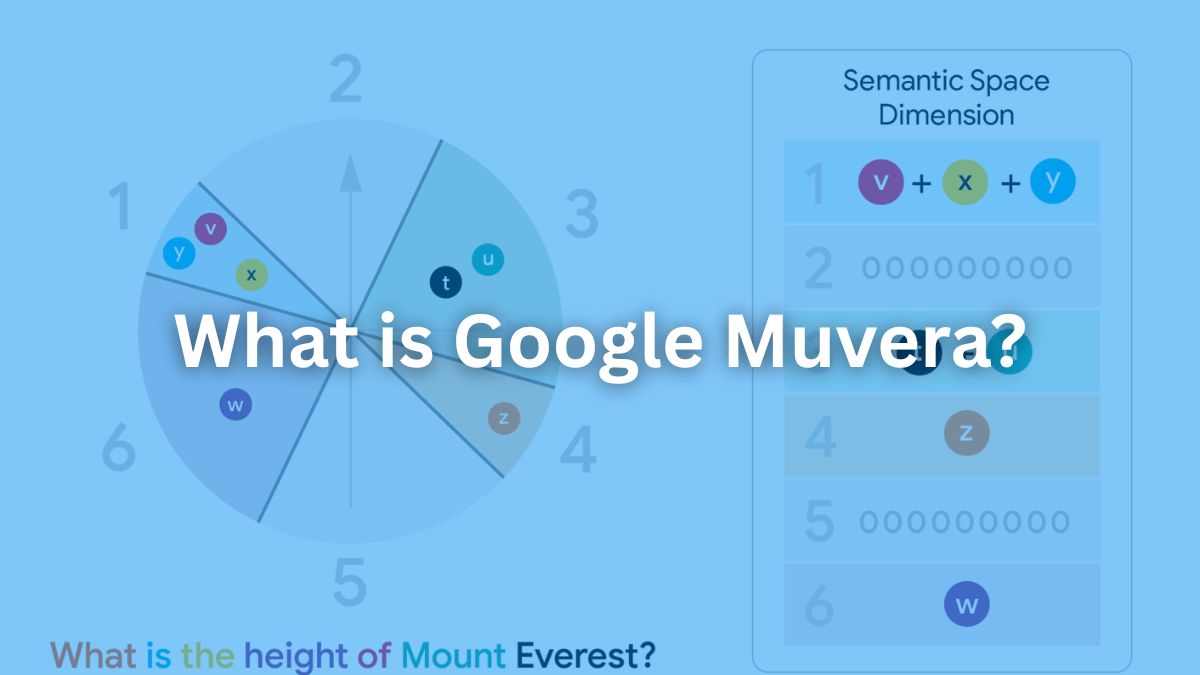
Know everything about Google MUVERA. Learn what this new system means for SEO, how it's changing search rankings, and what you need to do to adapt your strategy

Google has said it is exploring controls that would let publishers opt specific pages out of AI Overviews and AI Mode without leaving Google Search, following commitments sought by the UK Competition and Markets Authority. Today the only levers are nosnippet, max-snippet and data-nosnippet. This post explains what was announced, what is still unclear and what to do now.
In a significant policy shift, Google announced it's exploring ways to allow websites to opt out of having their content used in AI-generated search features, including AI Overviews and the new AI Mode.
This development comes in response to requirements from the UK's Competition and Markets Authority (CMA), which is pushing for greater transparency and control for content publishers.
Google stated they're "exploring updates to our controls to let sites specifically opt out of Search generative AI features." These new controls would work similarly to existing options like:
The key difference: These new controls will specifically target Google Search AI features like AI Overviews and AI Mode.
Many content creators and publishers have expressed frustration that AI Overviews reduce organic traffic by answering user queries directly in search results, without users needing to click through to the source website.
As one industry observer noted:
"These AI inserts are solely there to push the natural results down and drive clicks to paid ads. It doesn't matter whether my own content was used to create it."
According to Google's announcement, the new system will:
The Competition and Markets Authority outlined four main areas Google must address:
Publishers can opt out of:
Google must demonstrate that ranking in AI Overviews and AI Mode is fair and transparent, with a process for businesses to raise concerns.
Making it easier for users and businesses to export and use their Google Search data.
Google emphasized that any new controls "need to avoid breaking Search in a way that leads to a fragmented or confusing experience for people."
The company stated:
"As AI increasingly becomes a core part of how people find information, any new controls also need to be simple and scalable for website owners."
This suggests Google wants to prevent scenarios where:
Consider carefully before opting out:
Pros of Staying In:
Pros of Opting Out:
Pro Tip: Use Google Visibility Checker to monitor how often your content appears in AI Overviews before deciding.
Prepare for changes:
Many content creators remain skeptical, noting that:
Others welcome the move as:
Timeline:
Google stated they will "continue discussions with website owners and other stakeholders on this topic."
While Google's announcement is a step toward publisher control, the effectiveness remains to be seen. Key questions:
Will opt-out really protect organic traffic? How will this affect overall search quality? Will other search engines follow suit? What happens to content already used in AI training?
Our Take: This change is promising but likely won't solve the fundamental tension between AI-powered search and traditional organic results. Publishers should monitor developments closely and make data-driven decisions about opting in or out.
 Industry News and Updates
Know everything about Google MUVERA. Learn what this new system means for SEO, how it's changing search rankings, and what you need to do to adapt your strategy
 Industry News and Updates
Get the latest Instagram new logo color palette, with both hex and RGB codes. Use these colors in your designs, posts, and stories to stay on-brand and up-to-date with the popular social media platform.
 SEO
SEO
GEO means getting cited inside ChatGPT, Gemini and AI Overviews. How SEO SMO HUB restructures content, schema and entity data to earn it.