
How to Audit a Backlink List Before You Submit to It
The five checks we run on every backlink list before submitting: live pages, real dofollow links, traffic, relevance and a reason to click.
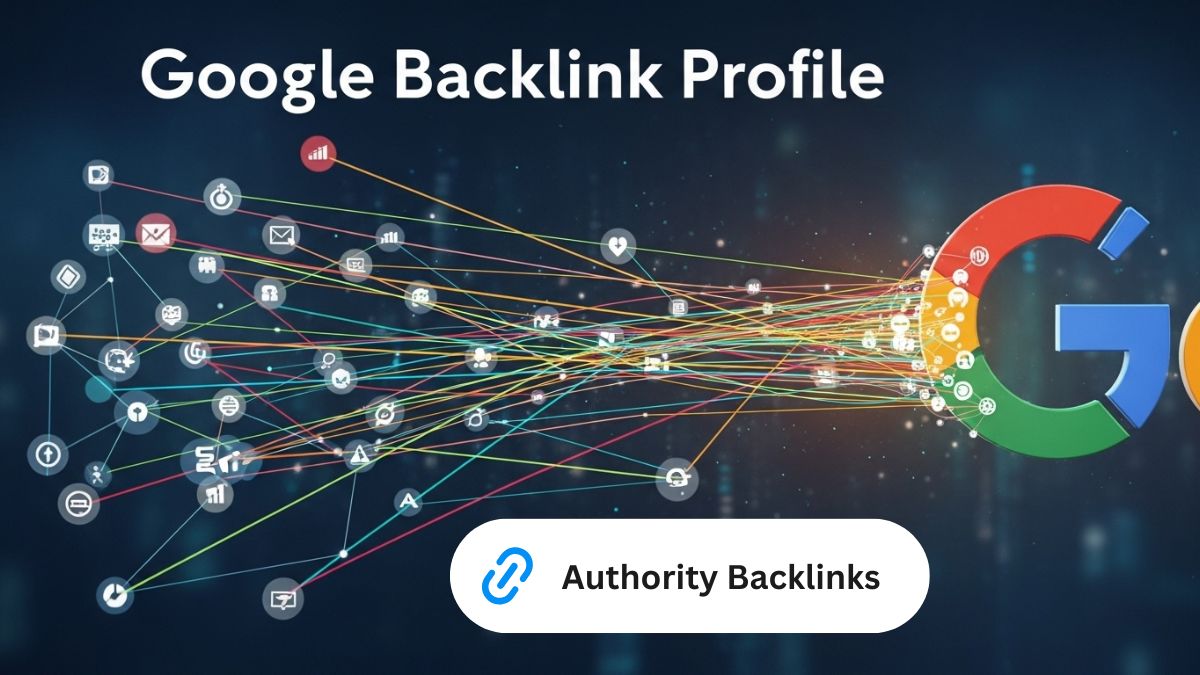
A backlink profile is a collection of all the backlinks pointing to a specific page/website. These links can come from multiple sources, including blogs, news sites, directories, forums and social media platforms. Each backlink acts like a vote, given from one website to another. This tells search engines that the linked material is both useful and credible.
The quality and quantity of these backlinks play a vital role in determining a website's authority and ranking in search engine results pages (SERPs).
Understanding your backlink profile is vital for several reasons.
Thus, a healthy backlink profile is key to lasting SEO achievements. Here's the sentence: You can utilize the SEO Audit tool to evaluate your site's performance and spot opportunities for upgrades.
Regularly auditing your backlink profile keeps your SEO clean, stable, and growing. A thorough review shows which links build trust and rankings, and which quietly hold you back or risk a penalty. When you understand your link mix (referring domains, anchor text, relevance, and authority), you can prune toxic links, fix over-optimized anchors, and focus outreach on high‑quality, relevant sites that actually move the needle.
A backlink audit also exposes the risks hiding in your link profile. If a noticeable share of links comes from thin, off‑topic, or spammy sources, think link farms, low‑quality directories, sitewide footers, or exact‑match anchors, it’s time to act. Modern search engines are good at spotting manipulative link patterns, and they can suppress your rankings or even trigger a manual action.
Prioritise outreach and removals, and reserve the Disavow Tool for links you can’t get taken down. By conducting regular audits, you can proactively manage your backlink profile and mitigate any risks before they escalate.
A solid backlink audit is part data pull, part pattern-spotting, and part cleanup. Here’s a clear, repeatable process you can run quarterly (or monthly if you build links actively).
Use this excel sheet for conduct a backlink profile audit: Backlink Profile Audit
Identifying low-quality backlinks is essential to maintaining a healthy backlink profile. These links typically come from spam-heavy or irrelevant sources that don’t align with your niche such as scraped directories, auto-generated pages, or hacked sites. As outlined in Google’s link spam policies, these links add little user value and can be treated as manipulative signals. The impact of low-quality backlinks can be significant.
They dilute the overall quality of your link profile, making it harder for search engines to trust your site, and at scale can contribute to devaluation or even manual actions. Therefore, it’s important to routinely review your backlinks and act on anything risky, auditing with Google Search Console and a trusted third‑party tool to protect your site’s reputation.
Improving your backlink profile requires a strategic plan that prioritizes earning authoritative, relevant links while pruning harmful ones. Focus on publishing content that deserves citations deep how‑to posts, data‑led infographics, or original research that offers unique insights (see Google’s helpful content guidance). For foundational citations, consider trusted profile creation sites. Another best practice is to engage in digital PR to build relationships with journalists and niche influencers.
By nurturing these connections with thoughtful pitches and expert commentary, you increase your chances of earning high‑quality editorial links. You can also leverage partnerships with credible businesses or organizations for co‑created resources, and if a link is paid or sponsored, qualify it correctly per Google’s guidance. You can also explore this curated list of high‑quality backlink sites to identify relevant outreach prospects.
Removing toxic backlinks is an essential step in maintaining a healthy backlink profile. These are links from spammy or irrelevant sites that can harm your credibility. Start by contacting site owners to request removal, or ask for a rel="nofollow" or rel="sponsored" tag where appropriate, and document all outreach.
If you’re unable to remove toxic links manually, use Google’s Disavow Tool as a last resort. Submit only links you’re confident are harmful, and proceed cautiously, misuse can lead to unintended loss of equity, so exhaust removal efforts first.
Building high-quality backlinks requires both creativity and smart targeting. Create linkable assets comprehensive guides, case studies, or interactive tools, that others genuinely want to reference. Another effective approach is targeted outreach to relevant websites with guest contributions or collaborations.
Personalize your messages, make the value to their audience crystal clear, and amplify your content via social channels to attract natural mentions. Additionally, you can use Backlink Maker to help new content get discovered faster while keeping the focus on editorial quality.
Anchor text plays a vital role in how search engines and users understand a link. It’s the clickable text within a hyperlink, and using relevant, varied anchors improves contextual relevance and user clarity (see Google’s SEO Starter Guide on link text).
When building backlinks, aim for a mix of branded, generic, exact match, partial match, and URL anchors to keep your profile natural. Avoid over-optimizing with exact‑match anchors, unnatural patterns can raise red flags and be treated as link spam.
Monitoring your backlink profile is an ongoing process that benefits from a regular cadence. Set aside time each month to review new and lost links and assess quality using Google Search Console and your preferred SEO tool. Track ranking impact over time with our keyword position checker.
Additionally, stay informed about industry trends and Google updates that affect how links are evaluated. Track official ranking updates, and adjust your tactics so your backlink profile continues to support your broader SEO strategy.
The backlink profile plays a pivotal role in SEO and overall visibility. Search engines treat backlinks as endorsements, signalling that your content is useful and trustworthy; a strong profile can lift rankings, increase organic traffic, and boost brand presence (learn how search works).
Conversely, a weak or toxic backlink profile can undermine your efforts and lead to lower rankings or manual actions. Prioritise building and maintaining a clean, relevant, editorial link profile as a core part of your SEO strategy.
Several tools and resources can help you analyze and manage your backlink profile effectively. Start with GSC (Google Search Console) for baseline link data, and consider using Ahrefs, Semrush, or Majestic for deeper coverage and metrics. These platforms surface domain authority signals, anchor text distribution, and competitor link profiles so you can make informed decisions and take better steps to improve over time.
Applied consistently, they reveal trends and risks early before they impact performance. In conclusion, understanding and managing your backlink profile is essential for long‑term SEO success. By auditing regularly, identifying low‑quality links, applying best practices, and executing strategies that earn high‑quality editorial links, you’ll strengthen authority and visibility in search while safeguarding your brand’s reputation.


To audit a backlink profile, you can use tools like Ahrefs, Moz, or SEMrush to gather data on the backlinks pointing to your website. Look for low-quality or spammy backlinks, anchor text over-optimization, and any other issues that could negatively impact your site's SEO.
Improving your backlink profile involves removing or disavowing toxic backlinks, acquiring high-quality backlinks from authoritative websites, and diversifying your anchor text. Creating quality content and reaching out to relevant websites for link-building opportunities can also help improve your backlink profile.
For most sites, quarterly is enough. Audit monthly if you build links actively, after major Google updates, and after site migrations or large campaigns.
Export links from Google Search Console and a third‑party tool, de‑duplicate, evaluate domain quality and topical relevance, check anchor text and link placement, flag toxic patterns, request removals, and disavow only as a last resort.
Links from spam networks, irrelevant or low‑quality directories, hacked sites, automated comments, obvious link farms, or domains with zero real traffic, especially with aggressive exact‑match anchors.
Yes. In bulk, they dilute trust, suppress rankings, and can trigger manual actions. One or two won’t tank a site, but patterns of spam can.
Start with Google Search Console, then use Ahrefs, Semrush, Moz, or Majestic for coverage and metrics. Use Google’s Disavow Tool cautiously.
Remove or disavow risky links, then replace lost equity with quality wins: digital PR, expert quotes, resource pages, unlinked mention reclamation, and partnerships.
Export links from GSC and a third‑party tool, merge and de‑dupe, then spot‑check 50–100 links across your anchor text, placements, and low‑quality domains to catch patterns fast.
Relevance and indexation first, then referring domain quality and link placement. DR/DA are useful proxies but shouldn’t override human review.
Heavily weighted toward branded, URL, and generic anchors. Keep exact‑match usage modest and natural relative to your brand and page intent.
After failed removal requests, and only for clear spam or manipulative patterns at scale, don’t disavow normal, benign links.
 SEO
SEO
The five checks we run on every backlink list before submitting: live pages, real dofollow links, traffic, relevance and a reason to click.
 SEO
SEO
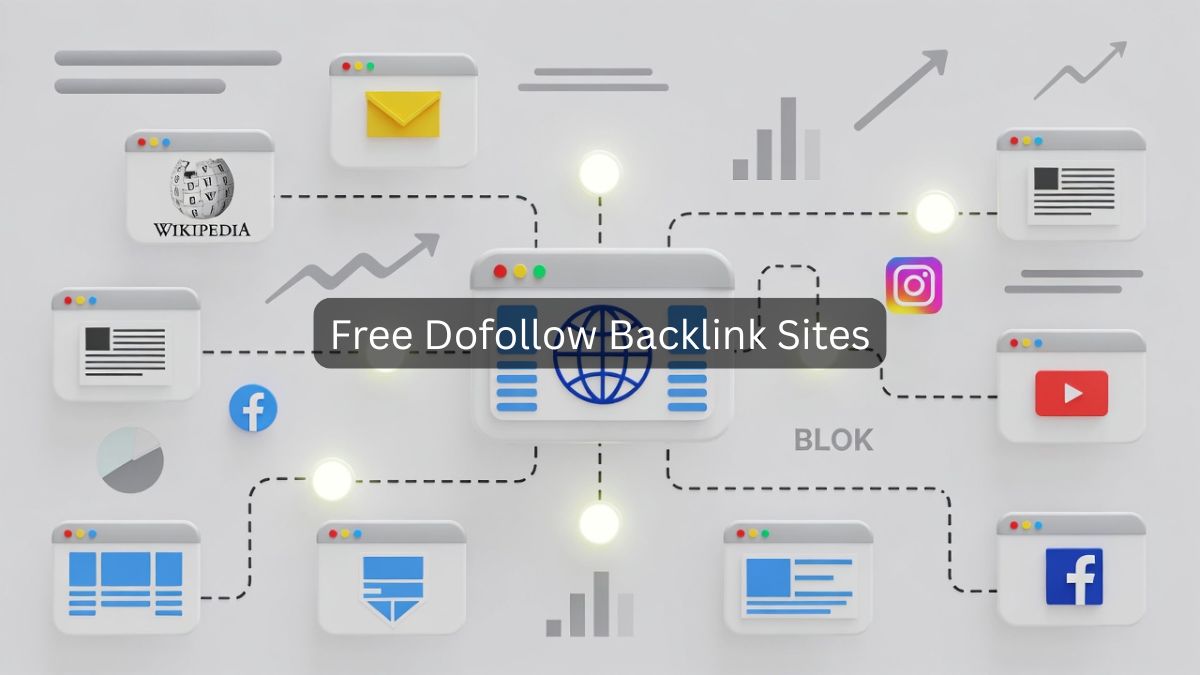
Get 375+ verified high-DA dofollow backlink sites for 2026. Includes proven strategies, real case study, and step-by-step guide to build quality links fast.
 SEO
SEO
Get 1000+ high DA profile creation sites for link building in 2026. Boost your SEO with our expert guide on profile optimisation and backlinking sites lists.