
How to Audit a Backlink List Before You Submit to It
The five checks we run on every backlink list before submitting: live pages, real dofollow links, traffic, relevance and a reason to click.
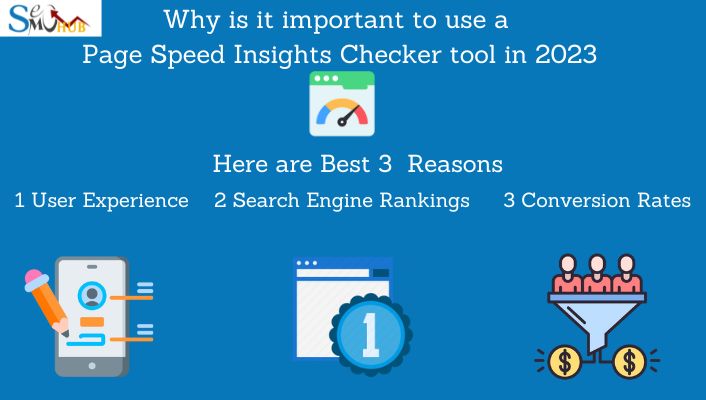
A page speed checker matters because slow pages lose visitors, rankings and conversions at the same time. Google's Core Web Vitals are confirmed ranking signals, and a checker such as PageSpeed Insights shows exactly which images, scripts or server delays are holding a page back, so you fix the right thing first instead of guessing.
Imagine you’re launching your new e-commerce site. Months of hard work have gone into perfecting the design, curating products, and crafting marketing campaigns. But during final testing, you notice the pages load painfully slowly. Your excitement turns to dread as you realize slow load times could drive customers away before they even browse your offerings. What’s your next step?
This scenario is a reality for many website owners worldwide. In today’s digital landscape, where users demand instant access, a slow website can sabotage your success. Slow page speeds frustrate visitors, harm search engine rankings, and reduce conversions. That’s where page speed checker tools come in, offering a lifeline to diagnose and fix performance issues for a global audience.
Page speed isn’t just a technical metric, it’s a key driver of online success. Here’s why it matters:
Addressing page load issues ensures your site delivers a seamless experience, ranks well, and converts visitors into customers.
Google’s Core Web Vitals are essential metrics for measuring user experience and SEO performance:
These metrics directly impact your rankings, and page speed checker tools help you optimize them effectively.
Traditional tools like Google PageSpeed Insights have long been trusted for analyzing page speed. This free tool provides a performance score for mobile and desktop, along with detailed recommendations based on Core Web Vitals.
However, artificial intelligence has introduced a new wave of tools that go beyond traditional analysis. AI-powered solutions can automatically detect issues, predict user behavior, and apply optimizations, making them ideal for website owners seeking efficiency and precision.
AI tools are transforming how we tackle page load issues. Here are some standout options:
These tools leverage machine learning to analyze data, predict user needs, and automate tasks like intelligent caching, predictive loading, and code optimization, making them powerful allies for website owners.
Page speed is just one piece of the SEO puzzle. For a comprehensive view of your site’s health, use SEO SMO HUB’s Website Analysis Tool. This tool offers a full SEO audit, covering:
By combining page speed insights with a broader audit, you can optimize your site for both speed and search visibility, ensuring a competitive edge.
Once you’ve identified issues using a page speed checker, take these steps to improve performance:
AI tools can automate many of these tasks, such as image compression or caching, saving you time and effort.
Consider an online store struggling with a 5-second load time. After using SEO SMO HUB’s Page Speed Checker, they optimized images and enabled caching, cutting load time to 2 seconds. The result? A 30% drop in bounce rates, a 15% increase in sessions, and a jump from page 3 to page 1 on Google for key terms. This shows how addressing page load issues can drive measurable results.
A slow website can frustrate users, lower your search rankings, and cost you conversions. By using page speed checker tools, especially AI-powered ones like SEO SMO HUB’s Page Speed Checker, you can diagnose and fix issues to deliver a fast, user-friendly experience. Pair this with Google Page Speed Insights for free analysis and SEO SMO HUB’s Website Analysis Tool for a complete SEO audit.
Don’t let a slow website hold you back. Test your site today and unlock its full potential for a global audience.
 SEO
SEO
The five checks we run on every backlink list before submitting: live pages, real dofollow links, traffic, relevance and a reason to click.
 SEO
SEO
GEO means getting cited inside ChatGPT, Gemini and AI Overviews. How SEO SMO HUB restructures content, schema and entity data to earn it.
 SEO
SEO
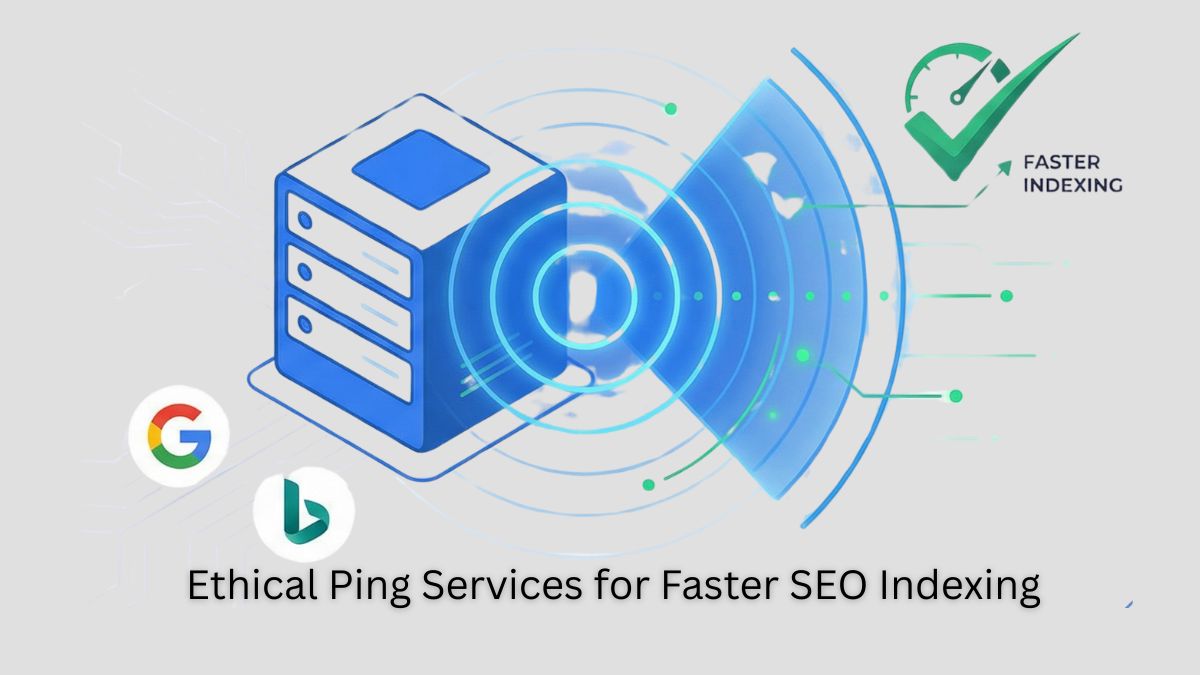
Learn how to use ethical ping services, IndexNow API, and Google/Bing sitemap pings to index content 80% faster. Tested methods for 2026 with no spam risk.